Have you ever turned on your shower only to find water pooling at your feet, or started washing dishes and noticed the sink draining slowly? These are common signs of a clog forming in your drains. While some blockages are minor inconveniences, others can lead to serious plumbing issues, disrupting your household routines. Understanding the causes and prevention of drain clogs is key to keeping your plumbing system running smoothly.
The Main Culprits Behind Clogged Drains
1. Kitchen Nightmares: Grease, Oil, and Food Scraps
Kitchen sinks handle a lot of daily use, and not everything that goes down is meant to. Grease, oil, and food scraps are primary culprits behind clogged kitchen drains. Grease and oil solidify in pipes, forming stubborn blockages, while food scraps like pasta or rice can swell and obstruct water flow. To prevent clogs, use a drain strainer to catch debris and dispose of grease and oil in the trash.
2. Bathroom Blockages: Hair and Soap Buildup
Bathrooms are prone to clogs caused by hair and soap residue. Hair tangles combine with soap scum to form blockages that stop water from draining properly. Using a drain catcher is a simple and effective solution to trap hair before it becomes a problem.
3. Toilet Troubles: Non-Flushable Items
Toilets are designed for specific items mainly human waste and toilet paper. Flushing non-flushable items such as wipes, feminine hygiene products, cotton buds, or dental floss can lead to serious blockages.
Prevention Is Key
1. Kitchen and Bathroom Drains
Good habits go a long way in preventing clogs. Scrape plates before washing, use sink strainers, and avoid pouring grease down the drain. In the bathroom, a drain catcher can trap hair effectively. Regular maintenance, such as flushing drains with boiling water and cleaning stoppers and strainers, also helps prevent buildup.
2. Toilets
Only flush toilet paper. Even products labeled as “flushable” can contribute to clogs and should be disposed of in the trash.
3. Drain Maintenance
Routine upkeep, like using natural drain cleaners such as baking soda and vinegar, can keep pipes clear. These eco-friendly solutions dissolve grease and soap scum without harming your plumbing.
4. What Not to Do
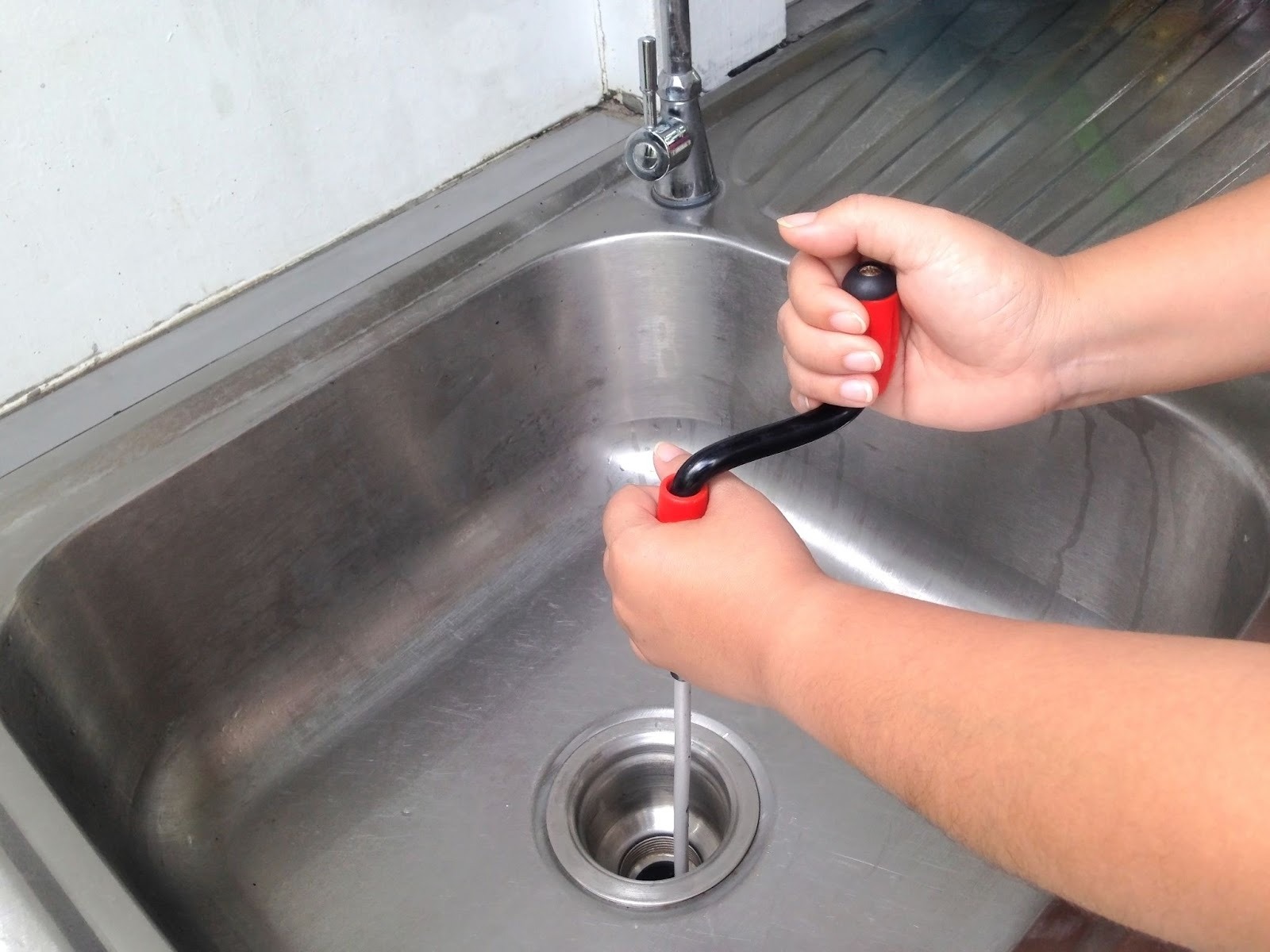
Avoid frequent use of chemical drain cleaners, which can damage pipes over time. Do not rely excessively on garbage disposals for food waste, and be cautious with DIY drain snakes, as improper use may worsen the problem.
Keeping Your Home Plumbing Clog-Free
With the right knowledge and prevention strategies, you can keep your drains clear and your plumbing in top condition. However, some clogs may still occur, and when they do, professional help is essential.
Get Expert Help from Bria Plumbing & Heating
If you’re dealing with persistent or complex drain clogs in Bridgeport, CT, trust Bria Plumbing & Heating for expert solutions. Our skilled team ensures your plumbing remains functional and clog-free.
Contact us today at 203-365-0004 or fill out our online form to schedule service. Let us help keep your home’s plumbing running smoothly.