Pouring used cooking oil down your kitchen drain may seem like a convenient way to dispose of it, but this common practice can lead to serious plumbing problems, environmental damage, and costly repairs. Understanding the risks associated with this disposal method is crucial for homeowners and commercial establishments alike, ensuring the longevity of plumbing systems and protecting local sewage networks.
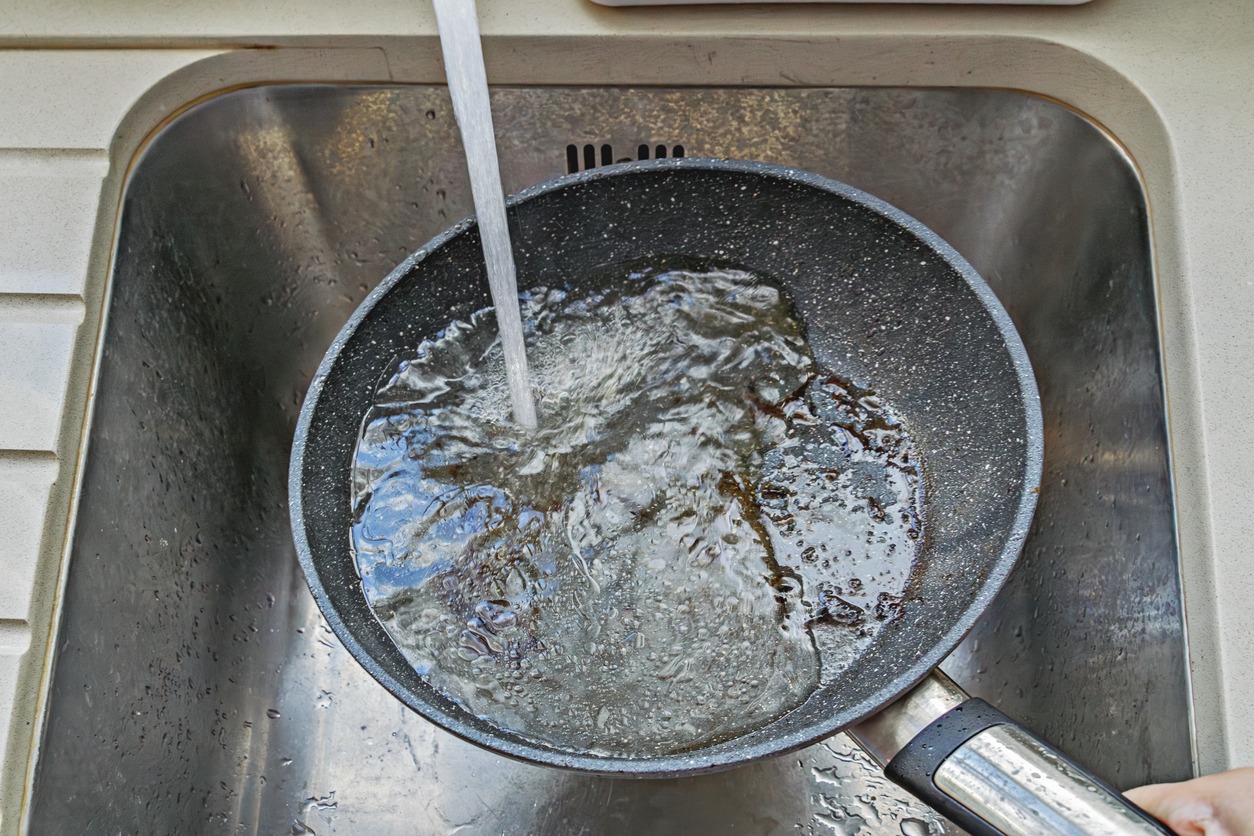
The Risks of Used Cooking Oil in Your Drains
When oil enters your plumbing system, it does not simply flow away. As it cools, it solidifies, sticking to pipe walls and gradually building up over time. This accumulation can cause blockages that disrupt wastewater flow and even lead to backups in your home.
Large congealed masses of fats, grease, and non-biodegradable materials, known as fatbergs, can form when oil and other waste combine. These fatbergs are extremely difficult and expensive to remove and can have severe consequences for local water treatment systems, including sewage overflows and contamination of waterways.
Chemical Reactions and Environmental Concerns
Used cooking oil reacts with other substances in the sewer, including calcium, forming soap-like compounds that contribute to fatberg formation. These chemical reactions strain municipal wastewater treatment processes, creating significant environmental hazards.
Improper oil disposal can also be costly. For homeowners, clearing blockages and repairing pipe damage can lead to expensive plumbing bills. Commercial kitchens face even stricter consequences, including fines or operational shutdowns for violating local grease disposal regulations.
Proper Disposal Methods
Proper disposal of cooking oil is essential to prevent these issues. Home cooks should collect used oil in a container and either dispose of it with solid waste or take it to a recycling facility where it can be converted into biofuel. Commercial kitchens should partner with professional grease collection and recycling services to comply with regulations and support environmental sustainability.
A Safer and Greener Approach
By understanding the dangers of pouring oil down the drain, individuals and businesses can take proactive steps to protect plumbing systems and the environment. Responsible disposal practices prevent costly blockages, reduce environmental impact, and promote safer, cleaner communities.
Ready to Protect Your Plumbing and the Environment?
If you’re experiencing plumbing issues in Bridgeport, CT, due to fats, oils, and grease, Bria Plumbing & Heating is ready to help. Our team of experts offers professional services and guidance to keep your plumbing system running efficiently and safely.
Contact Bria Plumbing & Heating today at 203-365-0004 or fill out our online form to schedule service. Protect your home, your pipes, and the environment with proper grease management.